





The Event Ecosystem in 2026: How to Escape Operational Hell and Sell Out Every Event



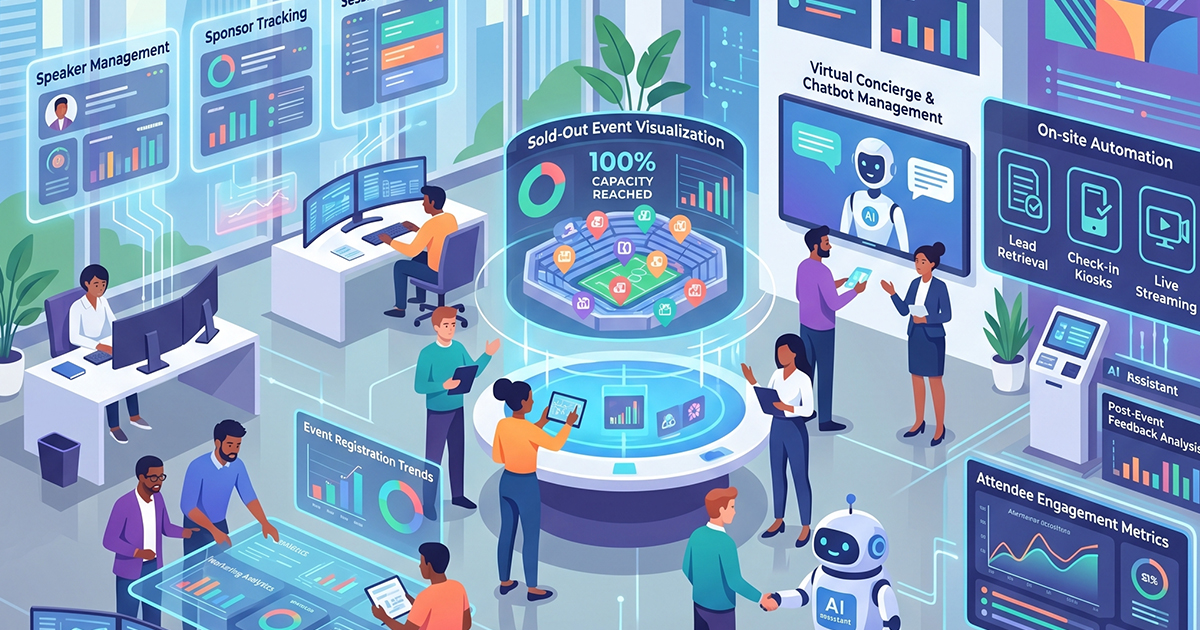
The world of events in 2026 is a fast-paced game. In conditions of staff shortages, constant disruptions, and an increasingly demanding audience, your notebook or Excel spreadsheets are no longer just relics of the past – they are a direct threat to your business. Today, automation is not a “nice-to-have”; it is the only way for an organiser to preserve both resources and sanity.
So how do you build a technology stack that works for you 24/7?
Strategic Planning: From Idea to Roadmap
Every chaos begins with a lack of visualisation and planning. When the event’s goal and team responsibilities are unclear, the project is destined for deadline chaos.
- Logical tools such as Miro, Canva, and Draw.io help build flowcharts that reveal the architecture of the event – from the customer journey to contingency branches in case of disruption.
- Execution control is equally essential. Only a clearly defined brief in Trello or Jira, combined with deadline tracking in a task manager, can guarantee that nothing slips through the cracks.
Sales and Registration: Cut Out the Middleman
Today’s user does not want to wait. The “we’ll call you back” format kills conversion. Purchasing a ticket should take no more than three clicks, at any time of day.
- For large-scale business events, the optimal choice is RegToEVENT – not merely a ticketing platform, but a full-cycle solution: a landing page builder, cashless invoice generation, promo codes, and a built-in CRM with Kanban boards for lead management, plus advanced analytics.
- For closed events where you simply need to generate tickets from a guest list, QRTicket.org handles the job.
Data-Driven Marketing: The End of “Blind Advertising”
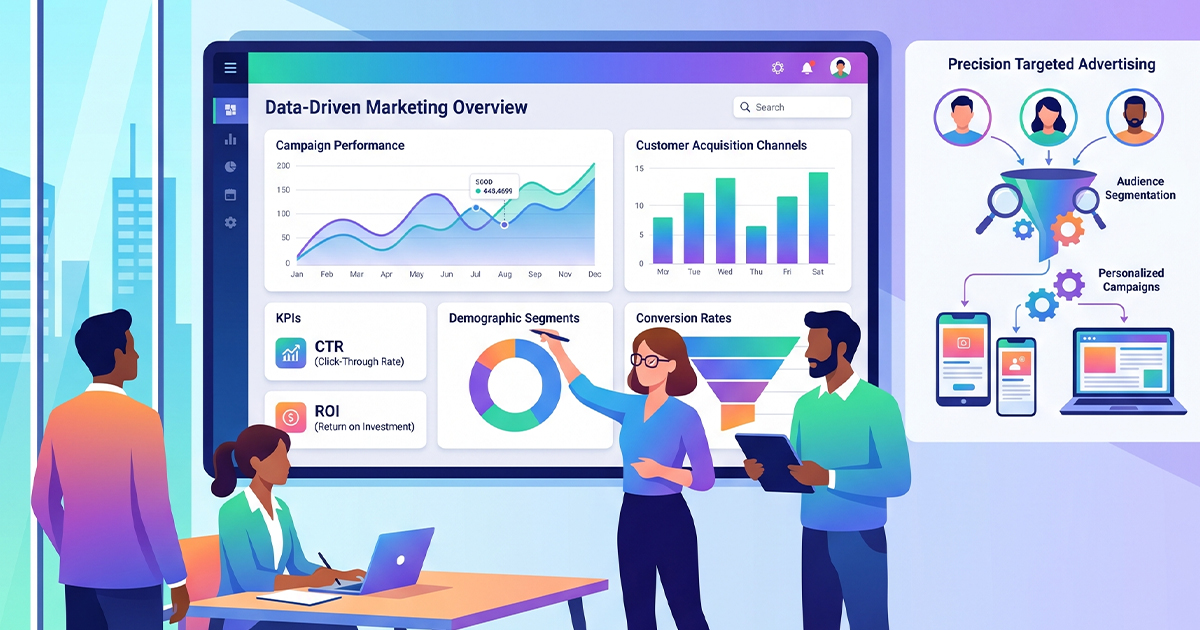
Mass campaigns no longer work. Effectiveness today means precision touchpoints and abandoned cart recovery.
- GAnalytics and pixels from Facebook, TikTok, and other platforms should be present at every stage of the customer journey. You need to know precisely which channel brings revenue – and which brings only clicks.
- Communication tools such as eSputnik or Mailchimp automate reminder sequences. Recovering abandoned orders can add 20-45% to ticket sales.
On-Site Service: The First Impression You Cannot Undo
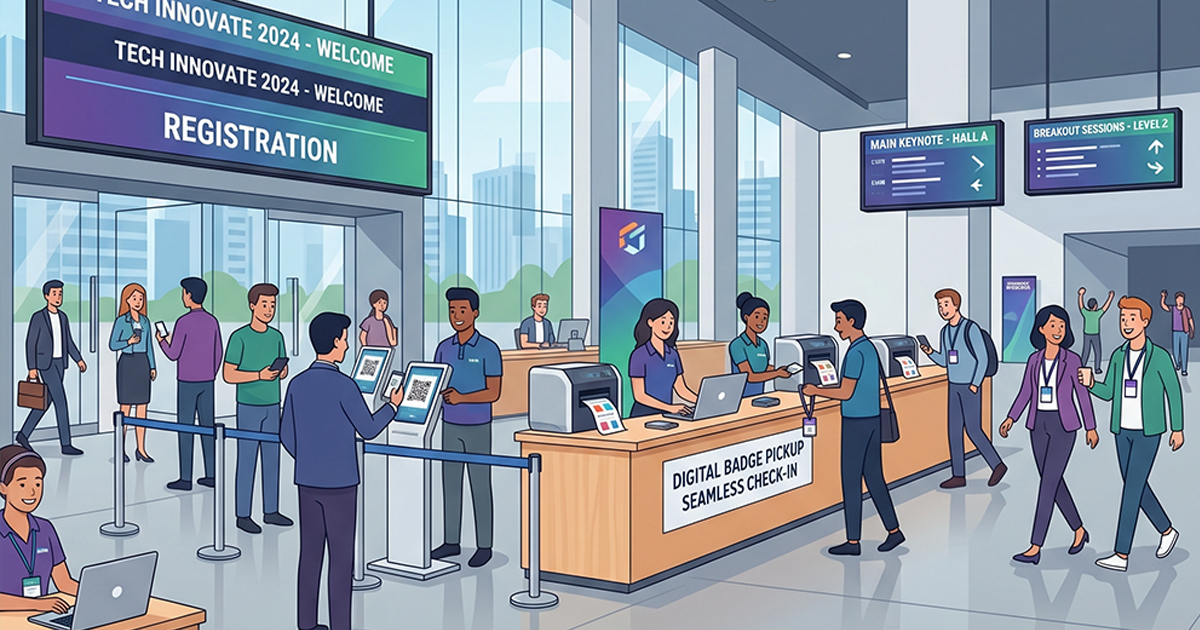
A registration queue is the worst possible start to a business event. In 2026, paper lists and markers belong in a museum.
- Services such as checkin.com.ua ensure ticket scanning in seconds.
- RegToEVENT goes further – beyond printing personalised badges on-site, it enables attendee movement tracking and photo badges. This is the level of experience that builds genuine trust in the organiser’s brand.
Networking and Financial Transparency
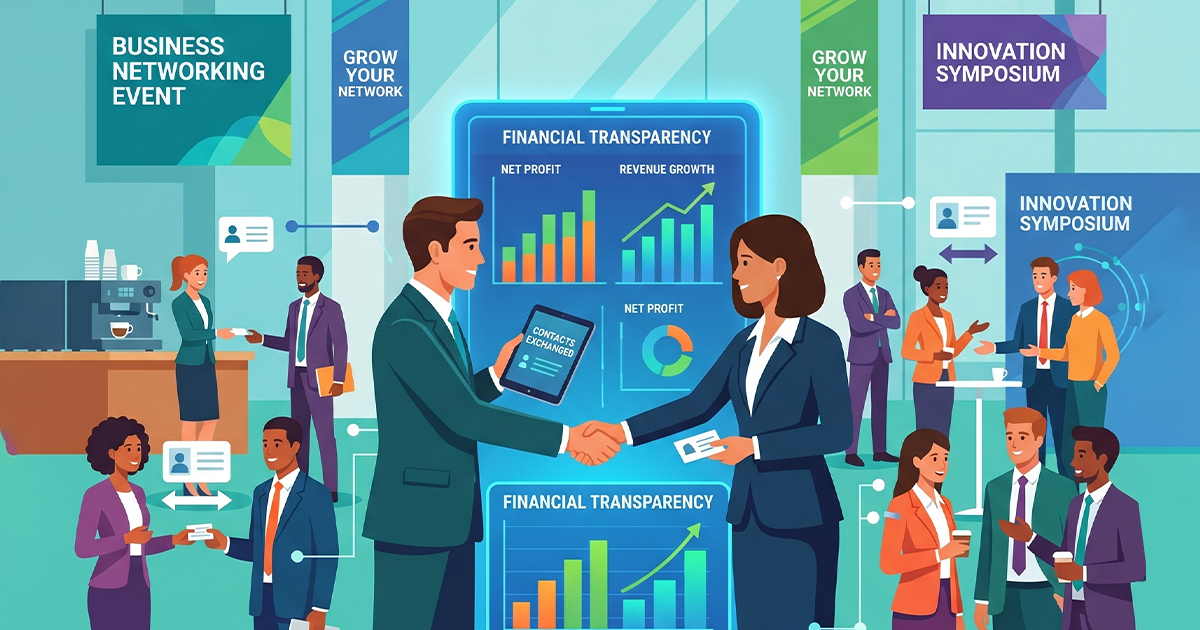
Guests come to an event for the people; organisers come for the revenue. Both processes need to be digitalised.
- For attendees, dedicated apps such as AppForEvent.com or purpose-built chatbots create a space for professional networking, live polls, and an event map directly on their smartphone.
- EventSocialWall.com adds a modern interactive layer for guests – amplifying sponsor visibility and showcasing the event programme.
- Do not overlook financial reporting. Tools such as Finmap or Financy – or at the very least, a well-structured Excel spreadsheet – will give you a clear picture of actual profitability, accounting for expenses that are often easy to overlook.
Organising events in 2026 is about striking the balance between human connection – networking – and rigorous process automation. By freeing your team from routine tasks such as manual ticket scanning or invoicing, you reclaim the time and headspace that matter most: the energy to create experiences that bring people together.











Сообщить об опечатке
Текст, который будет отправлен нашим редакторам: